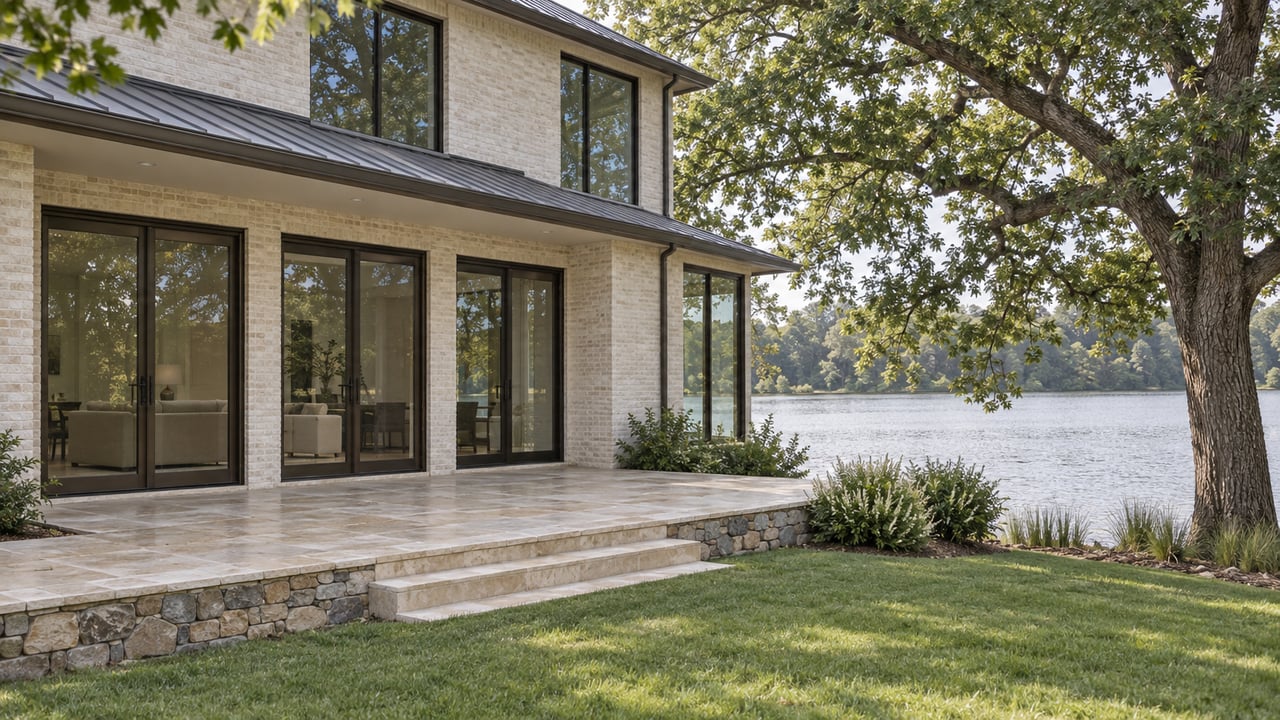
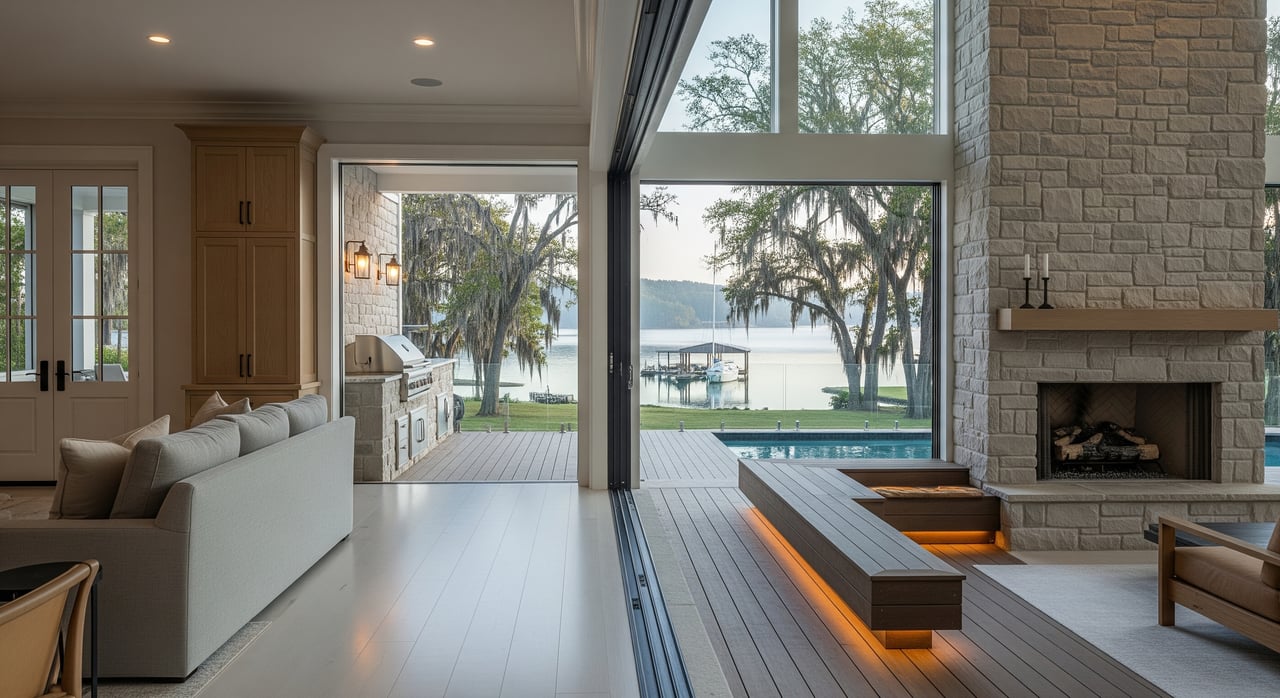
Ever wonder which upgrades actually move the needle when you sell a lake house on Lake Oconee? Buyers around White Plains focus on safe water access, easy entertaining, smart storage, and low-maintenance shorelines. If you invest in the right projects, you can boost perceived value and create a lifestyle story that stands out.
In this guide, you’ll learn five seller-focused upgrades that resonate with Lake Oconee buyers, plus cost ranges, compliance notes, and staging tips. You’ll also see how to work within Georgia Power’s shoreline rules and local approvals in Greene County. Let’s dive in.
Why these upgrades sell
Lake buyers prize access, safety, and lifestyle. Practical improvements like dock lighting, defined pathways, mudroom storage, and shoreline-friendly landscaping make day-to-day lake life easier and safer. Design-forward touches, including bunk rooms and outdoor kitchens, amplify the family and entertaining appeal.
In the White Plains area, Lake Oconee shorelines are managed by Georgia Power. Many dock or shoreline changes require review or permits. Some neighborhoods also have HOA rules that govern exterior work. Smart sellers verify requirements upfront and choose upgrades that highlight the lake lifestyle while respecting the shoreline.
Dock lighting and pathways
What to add
- Low-profile, downcast LED fixtures in warm tones around 2700–3000K to reduce glare and insects.
- Solar pathway lights for low-traffic paths or wired LEDs with timers and dimmers for reliable, consistent light.
- Non-slip materials: composite dock decking, grooved boards, slip-resistant pavers, or textured concrete.
- Gradual grades, clear sightlines, and handrails where needed to guide guests safely after dark.
Environmental tips
- Keep light levels modest and downcast to minimize light spill on the water and reduce wildlife disruption.
- Use timers or motion sensors so lights are on only when needed.
Compliance to confirm
- Dock lighting and any structural changes can fall under Georgia Power’s shoreline review. Confirm requirements before installation.
- Check Greene County rules and any HOA covenants that may affect exterior lighting and pathways.
Estimated costs
- Solar path lighting: about $300–$1,500.
- Wired dock and pathway lighting with professional installation: about $1,500–$7,000 depending on scope.
Staging moves
- Photograph at twilight with lights on for a warm, inviting look.
- Keep wiring hidden and the dock tidy with just a couple of chairs.
Shoreline landscaping
Goals
- Stabilize banks, reduce erosion, and improve water quality while keeping access easy and attractive.
- Signal long-term shoreline stewardship and lower maintenance to buyers.
Smart design
- Native buffer: replace or reduce mowed turf near the water with native grasses, shrubs, and trees. Consider river birch, red maple, buttonbush, sweetspire, switchgrass, sedges, muhly grass, and seasonal blooms like cardinal flower or pickerelweed.
- Bioengineering and soft-armoring: coir logs, live stakes, and native plantings. Reserve riprap or hard structures for higher-energy shorelines and coordinate approvals.
- Manage runoff: rain gardens, swales, and permeable hardscapes to slow and filter water from roofs, patios, and drives before it reaches the lake.
Permits and approvals
- Shoreline changes such as filling, excavation, riprap, or permanent structures often require review and permits. Coordinate with Georgia Power, Greene County, and any applicable state authorities.
- If you are in a governed community, confirm HOA or architectural review guidelines first.
Buyer appeal and ROI
- Many buyers want low-maintenance, naturalized shorelines that feel private and stable. A defined access path paired with a clean, intentional buffer is often a selling point.
Estimated costs
- Native buffer planting: about $1,000–$5,000.
- Engineered stabilization: about $5,000–$50,000 or more based on erosion severity.
Staging and maintenance
- Keep edges crisp and the access path clear for photos.
- Highlight both natural beauty and easy water access.
Mudroom and gear storage
Must-have features
- Durable, water-resistant finishes: tile, LVP, or epoxy floors with washable walls.
- Built-in cubbies, lockers, and vertical rod storage; hooks for wet gear and ventilated cabinets.
- Bench with storage, utility sink or dog wash if feasible, floor drain or hose bib, and space for a compact second washer and dryer.
- Mechanical ventilation and quick-dry surfaces for easy clean-up.
Buyer appeal
- Families and active owners love organized spaces that keep sand, towels, and life jackets in check. It signals easy, low-mess living.
Estimated costs
- Simple add-ons like hooks and a bench: about $500–$3,000.
- Midrange remodel with cabinetry, sink, and flooring: about $3,000–$12,000.
- Full custom build with plumbing and electrical: about $10,000–$30,000.
Staging setup
- Folded towels, labeled cubbies, and a few well-placed life jackets show capacity without clutter.
Bunk rooms
Design and safety
- Built-in bunks maximize footprint and can add storage. Consider stacked, L-shaped, or trundle combinations.
- Use moisture-tolerant finishes and washable fabrics.
- Confirm compliance with local building and fire codes, including egress standards for sleeping rooms. Ensure adequate ventilation and lighting.
Buyer appeal
- Sleeping flexibility is a big plus for family gatherings and rental-minded buyers. A comfortable, code-compliant bunk room can elevate perceived utility.
Estimated costs
- Simple built-ins: about $1,000–$6,000.
- Custom carpentry with integrated storage and lighting: about $6,000–$20,000 or more.
Staging setup
- Neutral, layered bedding and individual reading lights show comfort and care.
Outdoor kitchens
Core elements
- Built-in grill, prep counter, sink, mini-fridge, and storage with a covered dining area.
- Durable materials like granite, quartzite, concrete, and stainless appliances.
- Permeable pavers or well-drained concrete for hardscapes, and a layout that preserves view corridors and easy flow from the indoor kitchen.
Codes and utilities
- Licensed pros should handle gas lines, shutoffs, clearances, and ventilation. Electrical outlets should be GFCI protected.
- Confirm local ordinances, setbacks, fire codes, and HOA restrictions before you build.
Buyer appeal
- An outdoor kitchen extends living and entertaining space, a top priority for lake buyers when done with quality and thoughtful placement.
Estimated costs
- Basic grill island: about $5,000–$15,000.
- Full outdoor kitchen with appliances and seating: about $15,000–$60,000 or more.
Staging setup
- Keep countertops clear, set a simple table, and frame the lake view.
Permits and rules
- Georgia Power shoreline management: Docks, boathouses, lighting, and shoreline structures on Lake Oconee are subject to review. Confirm what needs approval before you start.
- Greene County: Some shoreline, grading, stormwater, and building activities may require county permits.
- HOA covenants: Many communities around the lake have architectural review processes for docks, landscaping, exterior materials, and outdoor appliances.
- Environmental best practices: Preserve vegetative buffers, use native plants, limit impervious surfaces near the shore, and manage stormwater to protect the lake.
- Professionals to consult: A Georgia Power shoreline manager, Greene County officials, a licensed marine contractor, a landscape architect or erosion-control specialist, and licensed electricians and plumbers for outdoor work.
Design-forward staging
- Tell the lifestyle story: arrange seating to face the water and keep sightlines clear in every room.
- Invest in twilight and drone photography to capture the dock, shoreline relationship, and lighting.
- Coordinate scenes that show function without clutter:
- Dock and path: warm, low-glare lighting and a tidy dock.
- Shoreline: a defined access path with a neat native buffer.
- Mudroom: organized cubbies with a few towels and life jackets.
- Bunk room: cohesive bedding, reading lights, and blackout window treatments.
- Outdoor kitchen: clean surfaces and staged dining.
- Use concise captions that highlight practical wins like safe night access, organized storage, expanded sleeping capacity, and native shoreline stewardship.
Next steps in White Plains
- Step 1: Call Georgia Power’s shoreline management office to confirm requirements for dock lighting, pathways, or shoreline work.
- Step 2: If your property is in a governed community, review HOA or architectural guidelines.
- Step 3: Get at least three bids from reputable local contractors, including marine, landscape, and licensed electrical or plumbing pros.
- Step 4: Consult a landscape architect or erosion-control specialist for stabilization design if you see erosion or runoff issues.
- Step 5: Stage improvements for photos with your listing agent and photographer, including twilight shots and organized interior spaces.
Prioritize your spend
- High priority: dock and pathway lighting for safety and showing impact, plus mudroom and gear storage for everyday function.
- Medium priority: outdoor kitchen and shoreline stabilization if erosion is visible.
- Conditional priority: bunk room buildouts when targeting families or rental-minded buyers.
- Always: verify permits and HOA rules before you spend.
When you are ready to sell, combine practical upgrades with smart staging to present a clean, safe, and lifestyle-forward lake home. If you want local guidance on scope, sequencing, and presentation, our design-led and land-savvy team can help you prioritize what pays off in White Plains and across Lake Oconee.
Ready to plan your sale? Connect with the Hendrix Real Estate Group for a local strategy session.
FAQs
Do you need a permit to add dock lighting on Lake Oconee?
- Dock lighting and structural changes can be subject to Georgia Power shoreline review, so confirm requirements and any county or HOA rules before installation.
Will native shoreline plants hurt resale value in White Plains?
- Properly designed native buffers usually add value by signaling erosion control, water quality care, and lower maintenance, especially with a clean, defined access path.
Are outdoor kitchens allowed near the Lake Oconee shoreline?
- Outdoor kitchens are often allowed, but gas, electrical, setbacks, and HOA covenants apply, and permanent shoreline-adjacent structures may need approvals.
How much does staging influence time on market for lake homes?
- Design-forward staging that highlights lifestyle, flow, and declutter typically improves buyer perception and can reduce time on market.
Which upgrade gives the fastest return for sellers in Greene County?
- Dock and pathway lighting for safety and showings, along with a functional mudroom, often produce strong buyer response for the cost.