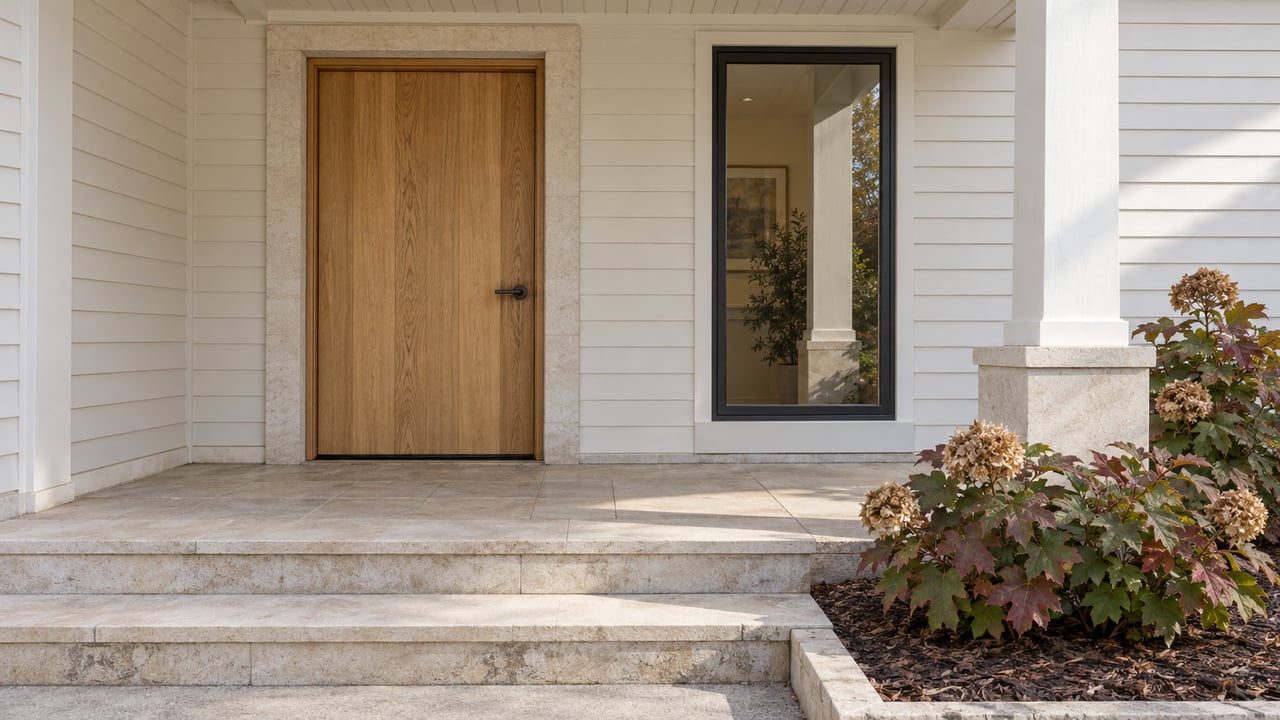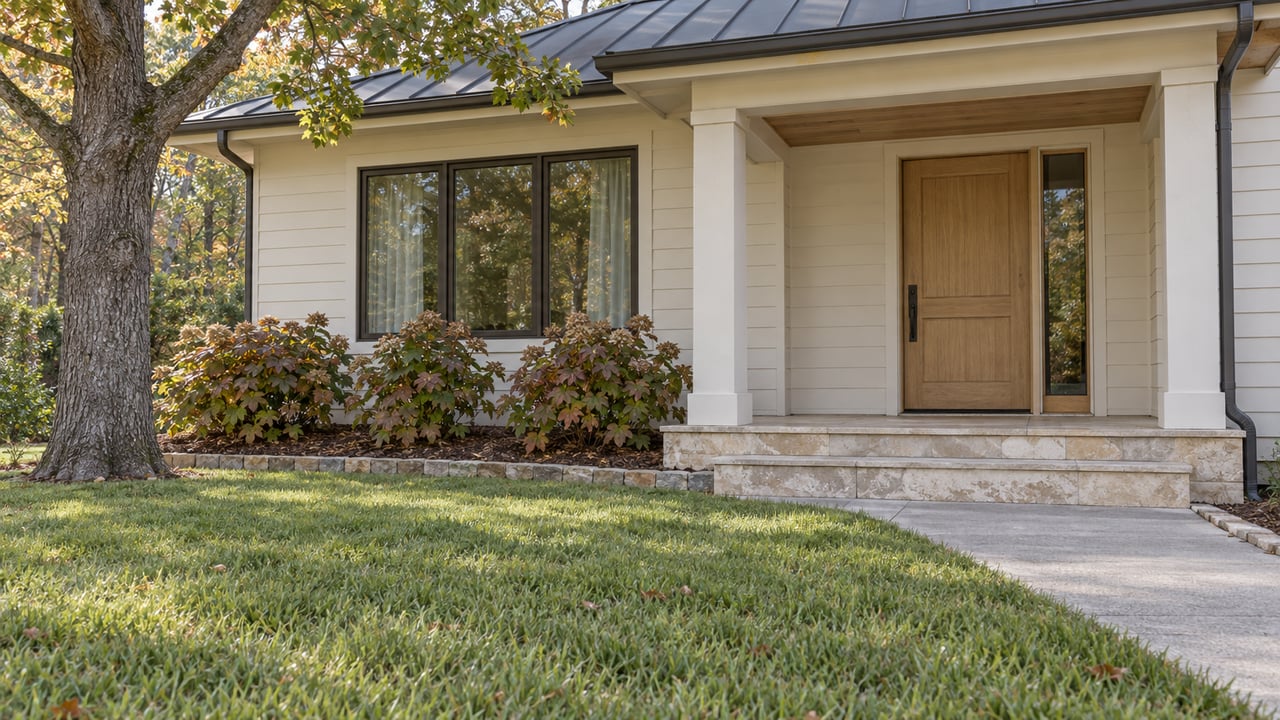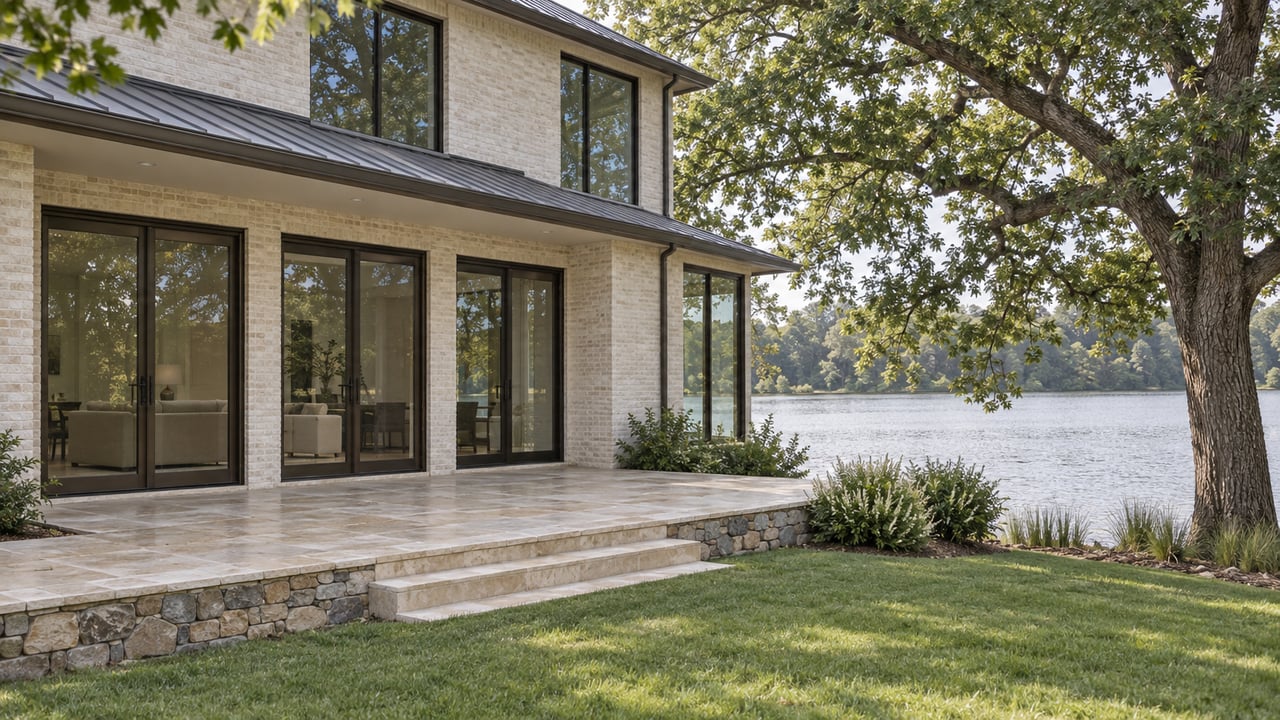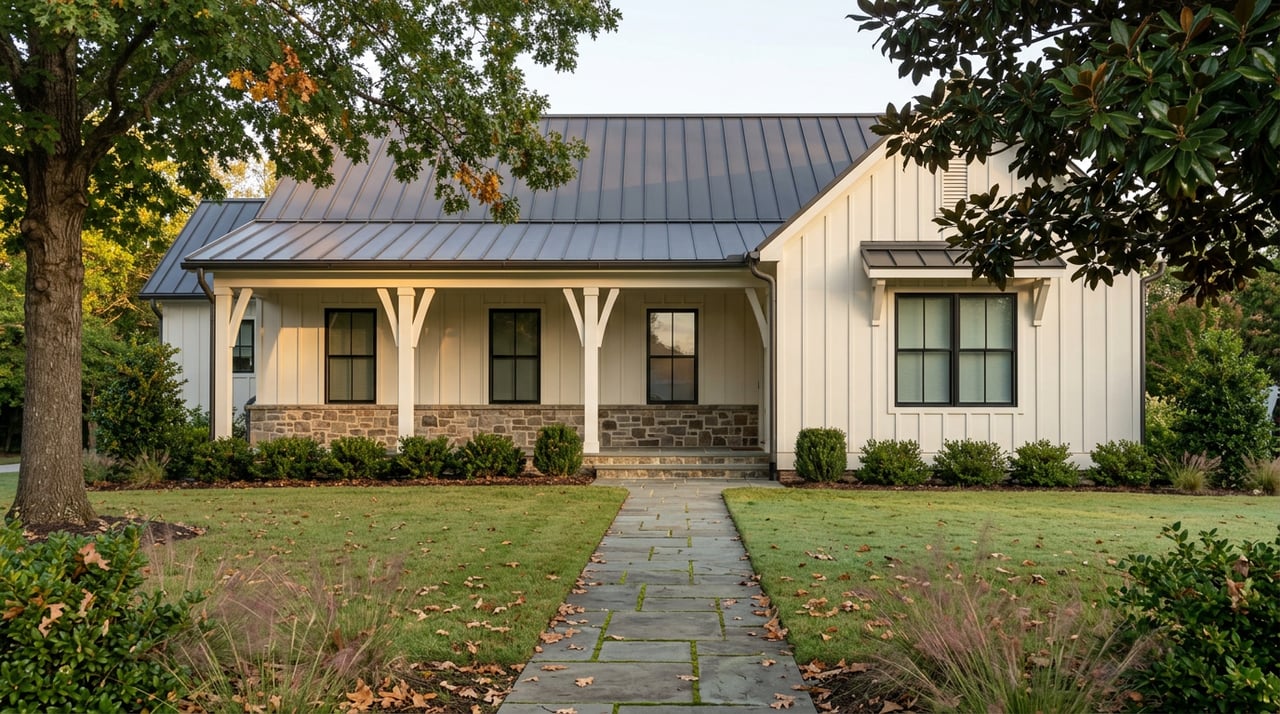
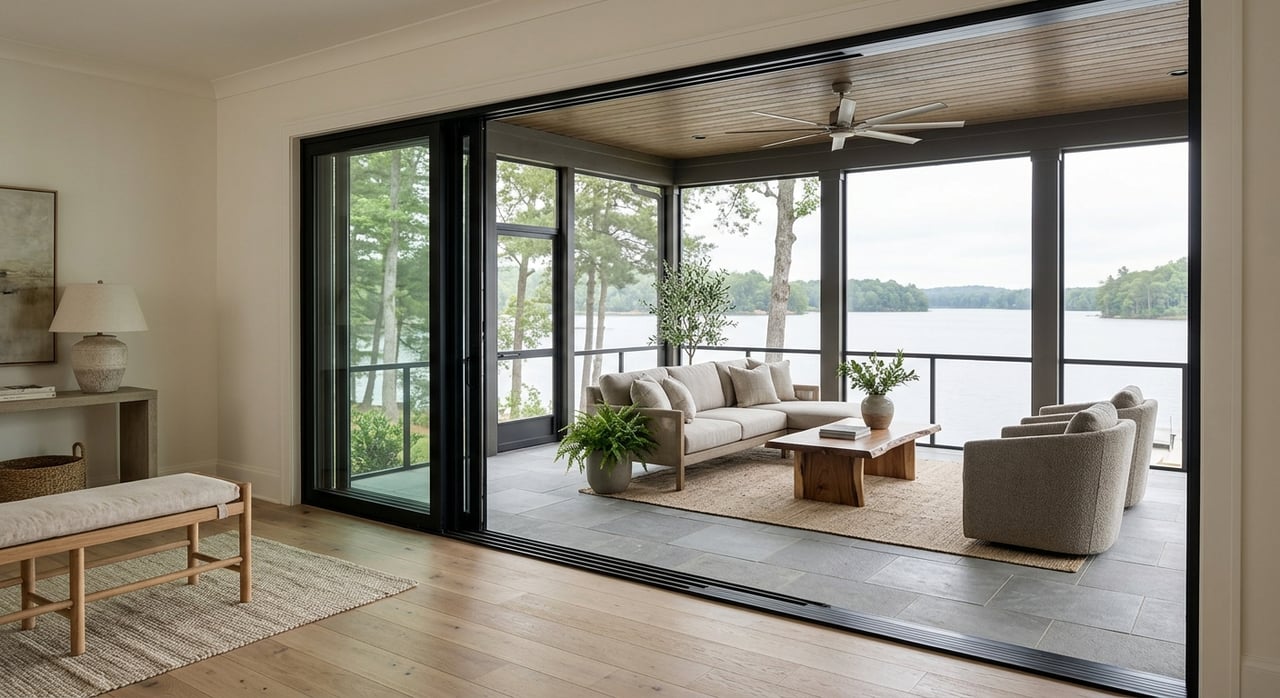
Picture this: you find a charming lake house near Milledgeville, the view is right, the porch feels perfect, and you can already imagine long weekends on Lake Sinclair. Then the practical questions start. Can you add or keep the dock setup you want, how does the shoreline affect the property, and how easy will ownership feel once the excitement wears off? This is where smart lake buying matters. If you are thinking about a Lake Sinclair retreat near Milledgeville, the details below can help you make a more confident decision. Let’s dive in.
Why Milledgeville Matters
A Lake Sinclair retreat is not just about the water. It is also about how the property fits into your everyday routine when you are there, whether that means a quick weekend trip or longer stays throughout the year.
Milledgeville gives many buyers a practical town-side anchor. Baldwin County identifies Milledgeville as the county seat, and county Planning & Development offices are located there. Atrium Health Navicent Baldwin is also in Milledgeville and operates as a 140-bed acute care facility with 24/7 emergency services.
That kind of access can matter more than buyers expect. When you need permits, repairs, title follow-up, supplies, or urgent medical care, being near Milledgeville can make your retreat feel easier to own and enjoy.
Know Lake Sinclair’s Basics
Lake Sinclair is a Georgia Power reservoir of about 15,330 acres spread across Baldwin, Hancock, and Putnam counties. It serves several purposes, including recreation, water supply, flood control, hydropower generation, and fish and wildlife management.
Georgia water-quality standards list the lake’s normal pool elevation at 340 feet mean sea level. That may sound technical, but it helps explain why water levels, shoreline usability, and dock conditions deserve careful attention during your search.
If you are comparing Lake Sinclair with other nearby lake options, one rule stands out. Georgia Power allows standard shoreline specifications for docks and boathouses on Lake Sinclair, while boathouses are much more restricted on Lake Oconee. If a boathouse is part of your wish list, that difference can shape both your lot choices and long-term resale appeal.
Check Lot Geometry First
On Lake Sinclair, the lot can matter just as much as the house. Before you fall in love with the finishes or floor plan, make sure the shoreline layout supports the way you want to use the property.
Georgia Power says residential lots platted or resurveyed after 2000 must have at least 100 feet of straight-line shoreline and 100 feet of width at the Georgia Power project boundary to qualify for shoreline structures other than a seawall. Older lots still need at least 50 feet of project-boundary width and 50 feet of straight-line shoreline before a dock will even be considered.
That means not every waterfront lot offers the same dock potential. Two homes can sit on the water and look similar online, but one may have far better long-term usability because of its frontage, shape, and project-boundary dimensions.
Compare Cove and Main-Lake Lots
Many buyers start with a simple preference for either quiet water or broad views. In practice, the decision is usually more nuanced.
Cove lots often offer more shelter, which can be appealing for swimming, tying up a boat, and relaxing with less open-water exposure. At the same time, cove geometry can create tighter limits on dock placement and outreach.
Main-lake lots may deliver wider views and a more open-water feel. They can also bring more wind and wake exposure. Neither option is always better, so it helps to weigh shoreline shape, frontage, and dock feasibility together rather than focusing on view alone.
Understand Dock and Boathouse Limits
If private water access is a major reason you are buying, dock rules should be part of your early due diligence. It is much easier to confirm those limits before you close than to discover them later.
Georgia Power limits residential dock size to 16 by 20 feet, or 320 square feet. Dock outreach is limited to 50 feet and cannot extend more than one-third across a cove.
Boat size matters too. Georgia Power’s guidance says the maximum vessel length on Lake Sinclair is 30 feet 6 inches, and Georgia law prohibits houseboats on Georgia Power lakes.
Shoreline structures such as docks, boathouses, seawalls, and shelters require written construction permits. Georgia Power also states that boathouses cannot be used as residences and cannot include plumbing, permanent appliances, or gas lines.
Expect Water Levels to Change
One of the biggest mistakes lake buyers make is viewing a property once and assuming that is the full story. On Lake Sinclair, water conditions can shift.
Georgia Power says lake elevations can change without notice. The lake is also part of a re-regulated reservoir system, and water is pumped back to Lake Oconee at night.
For you, that means dock depth, shoreline appearance, and ease of getting on the water may feel different from one visit to the next. When possible, it is wise to see a property under more than one water condition so you have a more realistic picture of day-to-day use.
Inspect the Shoreline Like the Home
A lake retreat is really two assets in one: the house and the waterfront improvements. Both deserve close attention.
If a property has an existing dock, boathouse, seawall, or cleared shoreline, inspect those features as carefully as you inspect the roof, systems, and interior finishes. In many cases, the waterfront improvements drive a large part of the property’s value and usability.
Shoreline vegetation also matters. Georgia Power notes that native shoreline plants help protect water quality, while mowing or clearing all the way to the water can increase runoff and erosion.
A heavily manicured shoreline may look neat at first glance, but it can deserve more scrutiny. A shoreline with stable native buffer plantings may be more functional over time, especially if you want to reduce erosion concerns.
Verify Permits and Past Work
Waterfront due diligence usually goes beyond a standard home inspection. A beautiful property can still come with unfinished permit questions or shoreline issues that affect future plans.
Baldwin County requires key items before issuing a building permit, including a driveway permit, house plans, a plat showing setbacks, and septic approval from the Health Department. The county also states that permits must be in place before construction, alteration, or moving of structures begins.
Georgia Power’s residential dwelling permit checklist adds other items that may apply, including the county building permit, county-approved septic permit, land-disturbance permit when needed, erosion and sediment control documentation, and a site plan.
As a buyer, it is worth confirming a few things early:
- Whether the existing dock and shoreline work were properly permitted
- Whether the septic system matches the home’s current use
- Whether past additions or renovations had the needed approvals
- Whether your future plans could trigger both county and Georgia Power review
Think Beyond House Style
Lake Sinclair offers a mix of home types, from simpler cottages and ranch homes to updated lake houses, A-frames, and larger custom properties. That variety can be a plus because it gives you more ways to match your budget and lifestyle goals.
Still, the architectural style is only part of the story. On a lake property, the lot, the shoreline setup, the dock permissions, and the quality of any renovations often have just as much impact on your experience as the design itself.
If you are shopping for a second home or weekend retreat, focus on how the property will actually live. Ask whether it supports the boating, fishing, relaxing, and maintenance level you want, not just whether it photographs well.
Consider Public Access and Recreation Options
Even if you want a private dock, nearby public access can add flexibility. That can be especially helpful if your dock is modest or if you want easy launch options for guests and extra watercraft.
Georgia Power lists several public access and recreation spots around Lake Sinclair, including marinas, boat ramps, fishing piers, and parks. Examples include Lawrence Shoals Park, Twin Bridges Marina, Blue Springs Marina, and Armour Bridge Boat Ramp.
Those access points can add convenience to your lake lifestyle. They also remind you that a property’s usefulness is shaped by the broader area, not just the lot line.
A Smart Buying Checklist
Before you move forward on a Lake Sinclair retreat near Milledgeville, keep this checklist in mind:
- Confirm shoreline frontage and lot geometry
- Ask whether the lot qualifies for the dock or boathouse setup you want
- Review existing shoreline structures for permits and condition
- Check how the property looks and functions under different water levels if possible
- Inspect shoreline vegetation, erosion, and clearing
- Verify septic, driveway, and building-related approvals where relevant
- Consider how quickly you can reach Milledgeville for services and emergencies
- Weigh the lot and water access as heavily as the house itself
Final Thoughts on Buying Well
The right Lake Sinclair retreat can give you the best of both worlds: time on the water and practical access to Milledgeville when real life calls. But the strongest purchases usually come from looking past the listing description and focusing on the details that shape ownership.
On this lake, that often means lot geometry, shoreline permissions, water-level behavior, and permitted improvements. When you understand those moving parts early, you are far more likely to buy a property that fits your lifestyle now and holds its appeal over time.
If you are weighing waterfront options in Lake Country and want clear, local guidance, Hendrix Real Estate Group is here to help you evaluate the details that matter most.
FAQs
What should you verify before buying a Lake Sinclair waterfront lot near Milledgeville?
- You should verify shoreline frontage, project-boundary width, dock eligibility, existing permits, septic approvals, and how the lot functions under different water levels.
What are the dock size rules for a Lake Sinclair home?
- Georgia Power says residential docks are limited to 16 by 20 feet, or 320 square feet, with outreach limited to 50 feet and no more than one-third across a cove.
Can you have a boathouse on Lake Sinclair near Milledgeville?
- Lake Sinclair follows Georgia Power’s standard shoreline specifications for docks and boathouses, but boathouses require written permits and cannot be used as residences or include plumbing, permanent appliances, or gas lines.
Why is Milledgeville important when buying a Lake Sinclair retreat?
- Milledgeville is the county seat for Baldwin County, home to county Planning & Development offices, and the location of Atrium Health Navicent Baldwin with 24/7 emergency services.
Do Lake Sinclair water levels stay the same year-round?
- No. Georgia Power says lake elevations can change without notice, which can affect dock depth, shoreline usability, and how the property feels from one visit to another.