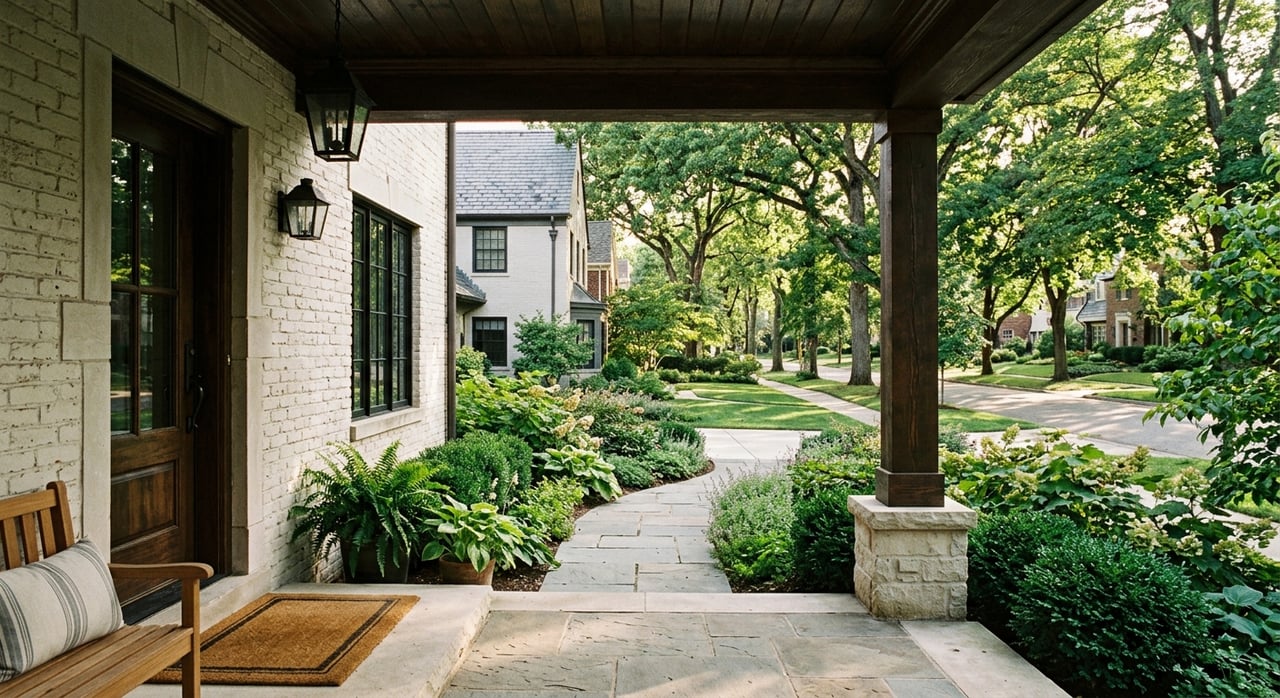
Wondering whether life in Watkinsville should come with sidewalks and a shorter to-do list, or more land and room to spread out? That choice matters more than many buyers expect, because an in-town home and a nearby acreage property can feel very different day to day. If you are weighing convenience against privacy, this guide will help you compare the tradeoffs, ask better questions, and focus on what fits your lifestyle best. Let’s dive in.
Why This Choice Matters
Watkinsville gives you two distinct ways to live in the same general area. You can choose a home inside the city limits, where daily services are more centralized and downtown is part of the appeal. Or you can look just outside town in unincorporated Oconee County, where larger lots and a more rural setting may shape your buying decision.
Neither option is automatically better. The right fit depends on how you want to spend your time, how much land you want to manage, and what kind of property features matter most to you.
What In-Town Watkinsville Offers
If you want a more connected, walkable feel, in-town Watkinsville may surprise you. The city describes downtown as a hub for shopping, dining, business, and arts, and Downtown Watkinsville is a Main Street Georgia community. The city is also investing in pedestrian-oriented downtown improvements and connector projects linking downtown to Thomas Farm Preserve and other nearby destinations.
Outdoor access is another plus. Watkinsville’s parks department oversees about 150 acres of city-owned parks and greenspace, including Watkinsville Woods, Thomas Farm Preserve, Harris Shoals Park, and Rocket Field. For a small city, that adds up to a strong network of recreation space, trails, and natural areas close to home.
Daily logistics can also feel simpler inside the city limits. Watkinsville provides a uniform solid waste program for city residents, including weekly garbage pickup and leaf-and-limb service at no direct cost for tax-paying citizens, plus optional recycling. The city’s public works department handles roads, sidewalks, signs, rights-of-way, stormwater, and related maintenance inside the city limits.
In practical terms, that often means a more streamlined ownership experience. You may have less land and less privacy, but you may also spend less time thinking about site maintenance, drainage concerns, or large-scale exterior upkeep.
What Nearby Acreage Offers
If privacy, open space, or land-focused uses are high on your list, properties outside the city may deserve a closer look. Oconee County’s planning framework preserves a lower-intensity rural character in appropriate areas. In the county’s Country Estates character area, subdivision densities are described at roughly 3 to 4 acres per dwelling unit, and limited farming and equestrian-related uses are explicitly allowed in appropriate settings.
That can create a very different ownership experience from an in-town house. Larger parcels may offer more separation from neighbors, more room for accessory structures, and more flexibility for outdoor uses that need space. For some buyers, that extra room is the whole point.
Acreage also tends to come with more owner responsibility. Oconee County Public Works maintains county roads, drainage ditches, culverts, dirt-road improvements, and other right-of-way issues in unincorporated areas, but the county does not remove trees or limbs from private property. That means your attention may shift from simple curb appeal to access, drainage, cleanup, and the long-term care of a larger site.
City Limits vs Unincorporated County
One of the first questions to ask is simple: Is the property inside Watkinsville city limits or in unincorporated Oconee County? That single detail can affect services, maintenance expectations, and what kind of due diligence you need to do.
Inside city limits, services are more standardized. Outside city limits, you are more likely to deal with site-specific questions about utilities, driveway permits, soil erosion requirements, and property access. County code enforcement handles permits tied to construction, driveways, and soil erosion, so acreage buyers should expect more review at the property level.
This is one reason two homes with similar square footage can feel very different in real life. The house itself is only part of the story. The location within city or county systems can shape your monthly routine just as much.
Utilities Can Change Everything
Utilities are often the biggest practical difference between an in-town home and nearby acreage. In many city properties, public services are more straightforward. On acreage, you need to verify exactly what serves the property before you fall in love with the setting.
Oconee County says residents must verify that Oconee County Water Resources services the property before setting up an account. Georgia Department of Public Health rules govern private wells and onsite sewage systems. In plain terms, acreage buyers should confirm whether the property has public water and sewer, or whether it may need a private well, septic system, and compliance with related setback requirements.
This step matters because utility setup affects budget, build plans, and future improvements. A beautiful tract with the wrong utility assumptions can become much more complicated than it first appears.
Maintenance Looks Different on Acreage
Many buyers focus on the excitement of having more land, but fewer think about what that land requires from you over time. A larger parcel can mean more mowing, more tree management, more drainage awareness, and more effort after storms.
That does not make acreage a bad choice. It simply means the ownership model changes. If you enjoy stewardship and want room for outdoor projects or a more rural setting, that added responsibility may feel worthwhile.
If your priority is easier day-to-day living, a home inside Watkinsville may be a better match. City services and a smaller homesite can make homeownership feel more predictable and less hands-on.
Zoning and Use Questions to Ask
If you are considering acreage, do not assume every parcel supports the same uses. Zoning and county planning guidance matter, especially if you hope to add barns, fencing, accessory buildings, or equestrian features.
The county comprehensive plan notes that limited farming and equestrian-related uses are allowed in appropriate settings in certain rural character areas. That is encouraging for lifestyle buyers, but it is not a substitute for checking the exact property. Before you move forward, make sure the zoning supports your intended use and any structures you may want later.
A few smart questions include:
- Does the zoning support barns or accessory buildings?
- Are fencing plans allowed as expected?
- Do any driveway, erosion, or site-review requirements apply?
- Is the parcel suitable for the way you want to use the land?
Price Trends and Property Type
Recent market data suggests the broader area is relatively balanced rather than overheated. Zillow lists Watkinsville’s average home value at $521,951 and Oconee County’s at $556,746. Redfin reports Watkinsville’s median sale price per square foot at $231, while Oconee County’s median sale price was $623,000 over the last three months ending April 2026, and Realtor.com described both Watkinsville and Oconee County as balanced markets in May 2026.
Those numbers do not mean every acreage property costs more than every in-town home. Still, county-level pricing is consistent with the idea that larger lots, frontage, outbuildings, and utility setup can add value. When you compare properties, make sure you are evaluating the land and infrastructure, not just the house.
How to Decide What Fits You Best
A simple way to choose is to picture your average week, not your ideal weekend. If you want easier errands, more centralized services, nearby parks, and a more compact homesite, in-town Watkinsville may fit your routine better. If you want privacy, room for outdoor uses, and a more land-focused lifestyle, nearby acreage may be worth the added complexity.
Here is a quick side-by-side view:
| Feature | In-Town Watkinsville | Nearby Acreage |
|---|---|---|
| Setting | More connected and walkable | More rural and spread out |
| Lot size | Typically smaller | Typically larger |
| Services | More standardized city services | More site-specific verification |
| Maintenance | Often simpler day to day | Often more owner-managed |
| Utility review | Usually more straightforward | Often requires deeper review |
| Lifestyle fit | Convenience-focused | Privacy and land-focused |
Questions to Ask Before You Buy
No matter which direction you lean, a few local questions can save you time and stress. These are especially important when you are comparing city homes to county acreage.
Ask about:
- Whether the home is inside Watkinsville city limits or in unincorporated Oconee County
- Whether the site is served by public water and sewer, or needs well and septic
- Who maintains the road, drainage, street lights, and right-of-way issues
- Whether zoning supports barns, accessory buildings, fencing, or equestrian uses
- Which school zone applies to the exact address
For school zoning, Oconee County Schools offers a Find My School Zone tool, and the district office is based in Watkinsville. Because zones can depend on the exact address, it is best to verify that detail directly for any property you are seriously considering.
The Best Choice Is the One You Will Enjoy Living
Choosing between in-town Watkinsville homes and nearby acreage is really about matching the property to your lifestyle. One option may give you easier routines and a stronger connection to downtown amenities. The other may give you space, privacy, and flexibility that are hard to find on a smaller lot.
If you want help comparing homes, land, utilities, and day-to-day ownership realities in and around Watkinsville, the team at Hendrix Real Estate Group can help you sort through the details and find the right fit.
FAQs
What is the difference between Watkinsville city limits and unincorporated Oconee County?
- A property inside Watkinsville city limits is served within the city system, while a property in unincorporated Oconee County may involve different maintenance responsibilities, permits, and utility verification steps.
What should acreage buyers in Watkinsville check about utilities?
- You should confirm whether the property has public water and sewer service, or whether it will rely on a private well and onsite sewage system governed by state health rules.
What maintenance questions matter for acreage near Watkinsville?
- You should ask who maintains the road, drainage features, culverts, and right-of-way areas, and remember that the county does not remove trees or limbs from private property.
What zoning questions should buyers ask about acreage in Oconee County?
- You should verify whether the exact property supports your intended use, including barns, accessory buildings, fencing, and equestrian-related features where applicable.
How do home prices compare in Watkinsville and Oconee County?
- Recent data shows Watkinsville with an average home value of $521,951 and Oconee County at $556,746, with both markets described as balanced in May 2026.
How can buyers verify a school zone for a Watkinsville address?
- You should check the exact address using Oconee County Schools’ Find My School Zone tool because school zones depend on the specific property location.