If you are thinking about buying or selling in Washington, Georgia, one question matters more than most: do you want to live in the historic heart of town, or do you want room to spread out beyond it? That choice shapes everything from the look of the home to the pace of daily life. In Washington and Wilkes County, the difference is especially clear, and understanding it can help you focus your search or position your property more effectively. Let’s dive in.
Washington’s Two Main Settings
Washington works best as a market with two broad residential settings: a compact historic town center and a much larger rural county surrounding it. According to Census Reporter’s Washington, Georgia profile, the city has 3,680 residents across 7.7 square miles, while Wilkes County covers 678.5 square miles with 19,849 residents.
That contrast matters when you start looking at homes. In town, you are more likely to find a historic setting, shorter errands, and a more connected street pattern. Outside town, you are more likely to find lower-density properties, larger lots, open land, woods, and a stronger rural character.
In-Town Washington Living
Historic core and walkability
Downtown Washington centers on the Town Square, and Explore Washington, Georgia highlights the area’s boutique shopping, dining, events, and historic small-town environment. For many buyers, that supports a lifestyle where everyday routines can feel a little more connected to the center of town.
If you enjoy older architecture, civic landmarks, and the feel of a long-established community, in-town Washington has a strong identity. The city also has an unusually rich historic inventory for its size. The Advisory Council on Historic Preservation notes that Washington contains four National Register districts, 14 individually listed properties, and two National Historic Landmarks.
Home styles in town
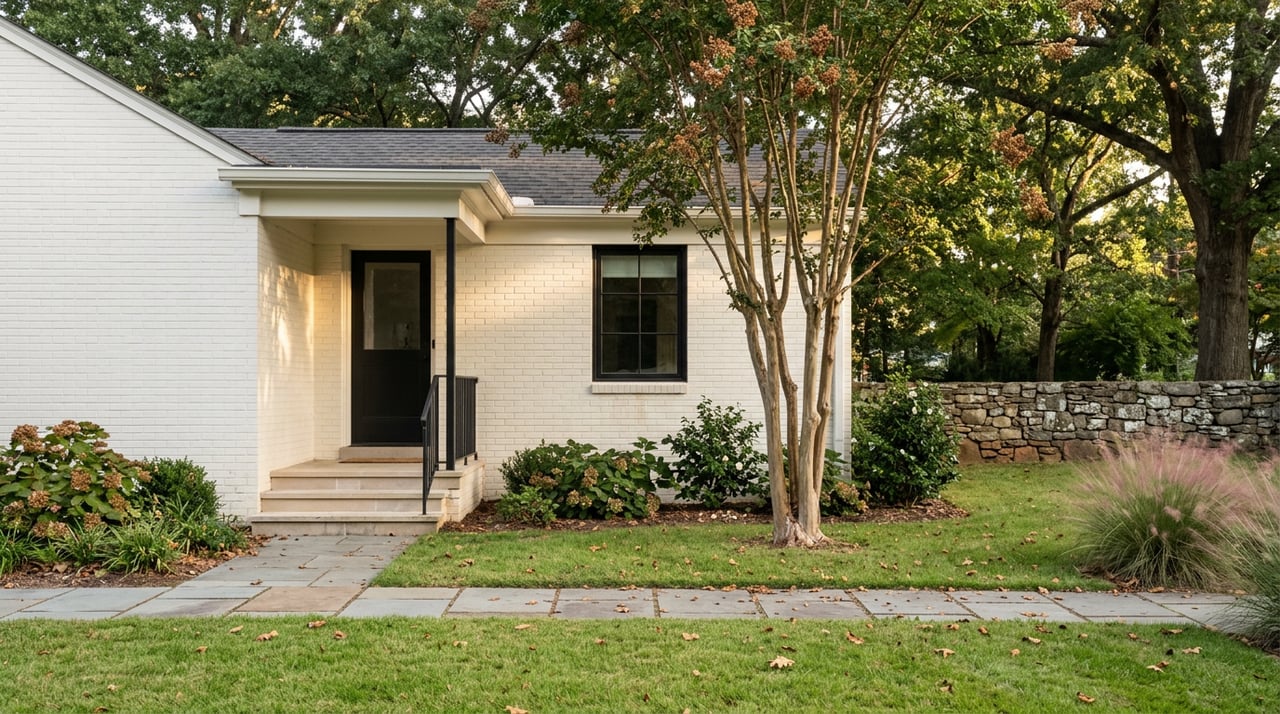
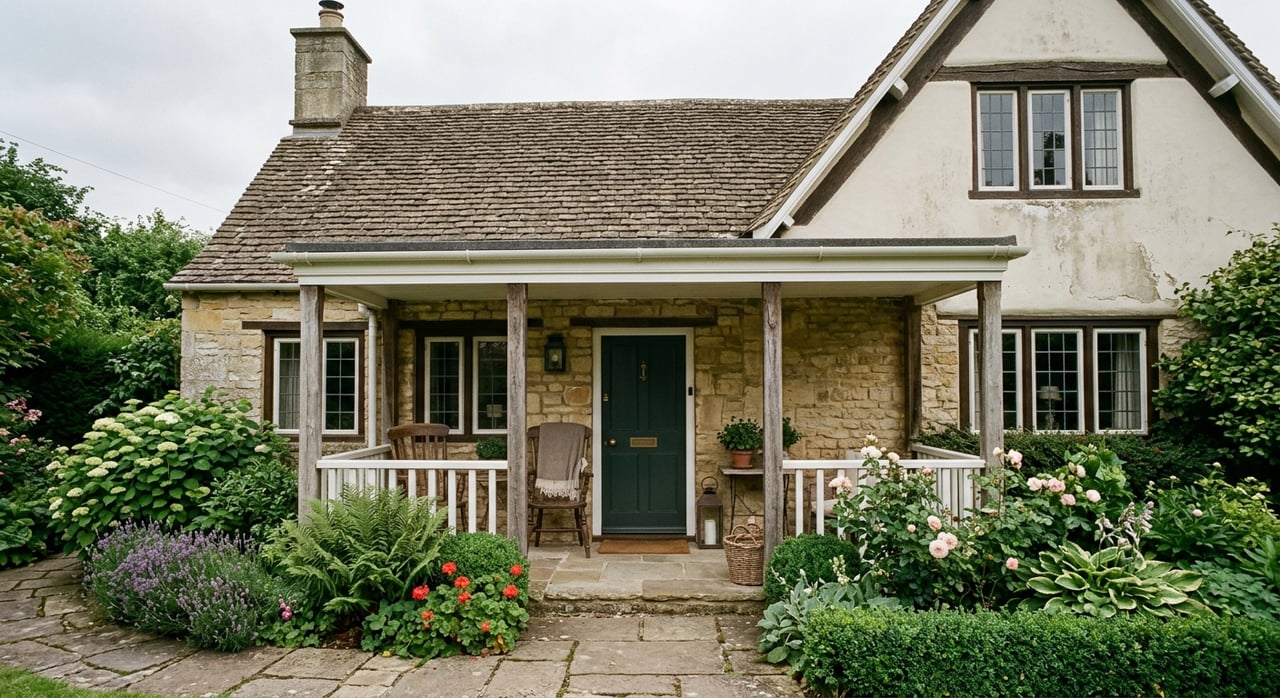
One of the most appealing parts of Washington’s in-town market is the variety of documented historic architecture. Local examples in the source material include Greek Revival and Queen Anne styles, along with preserved antebellum homes and later 19th-century buildings.
The National Park Service documentation for the Robert Shand Smith House describes an antebellum Greek Revival residence with a two-story portico. Another local example, the Fitzpatrick Hotel nomination, identifies a three-story brick Queen Anne building on the courthouse square. Together, those examples show that Washington’s historic core is not tied to just one period or look.
What in-town buyers should keep in mind
Historic charm often comes with extra considerations. The 2024 to 2029 Wilkes Joint Comprehensive Plan says Washington’s local historic district was created by ordinance in 1999, and exterior changes that require a building permit may also trigger a Certificate of Appropriateness.
In practical terms, that means some updates to homes in the historic district may involve more review than similar work outside the city. That is not necessarily a drawback, but it is important to understand early if you are drawn to a historic property and already thinking about changes.
Rural Wilkes County Living
More land, lower density
Once you move beyond the city, the setting changes quickly. Wilkes County is far more rural and dispersed than Washington itself, with countywide density much lower than the city’s, based on Census Reporter data.
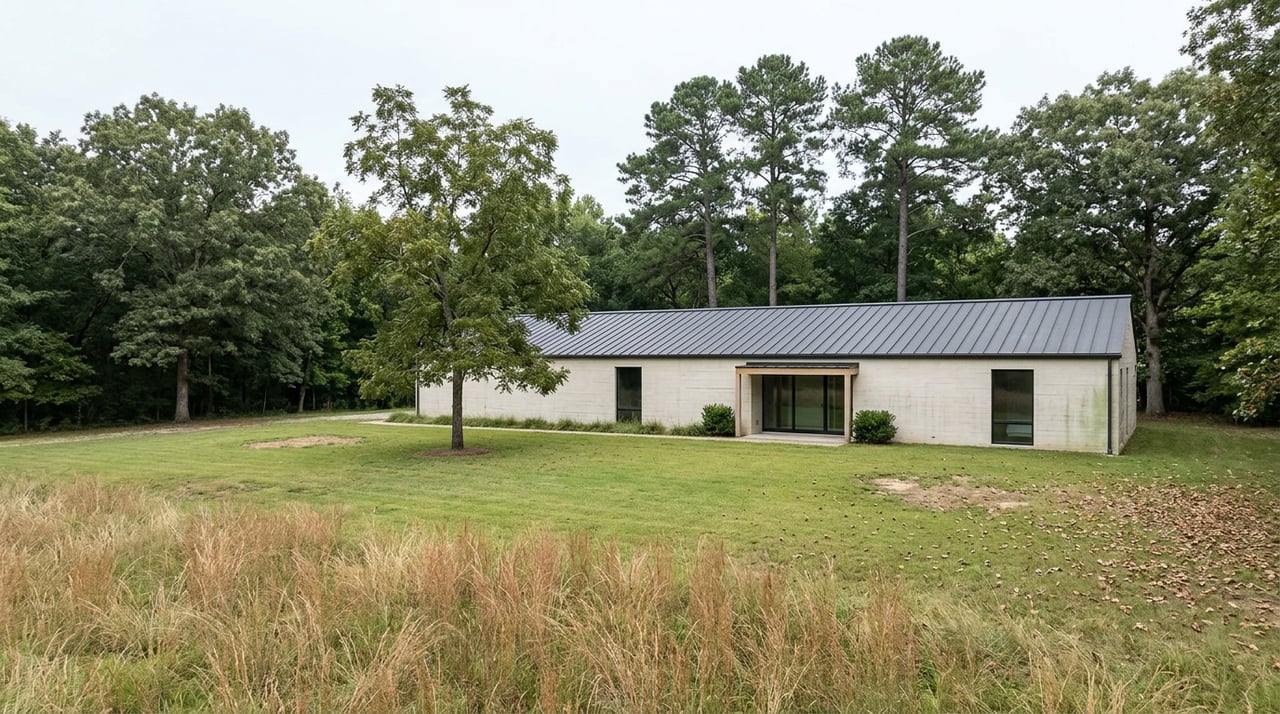
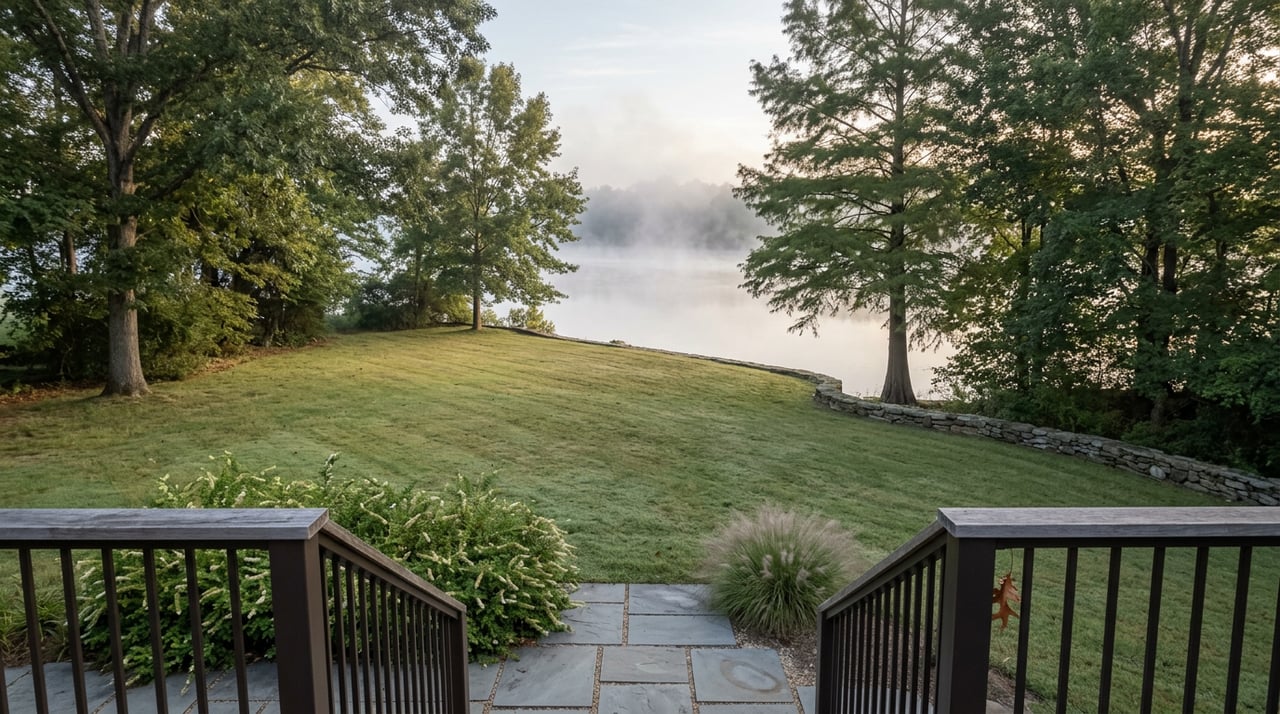
For buyers, that often translates into a different kind of opportunity. Instead of focusing on homes near the square, you may be looking at acreage, long drives, tree cover, open pasture, or a home that relates as much to the land as it does to the house itself.
Home styles and rural settings
The rural side of the market is not only about newer homes on bigger lots. It can also include older house forms with deep ties to the county’s landscape. The National Register documentation for the Gartrell Family House describes a rare raised Georgian cottage on a five-acre tract, approached by a dirt road and surrounded by open fields and woods.
That example helps illustrate a pattern you may see around Washington: homes that are defined by their setting as much as their architecture. In some cases, the appeal is privacy. In others, it is the flexibility that can come with more land, depending on the property’s zoning, infrastructure, and physical layout.
Larger parcels near town
Some properties sit between the two extremes of compact in-town living and deeply rural acreage. The Robert Shand Smith House record describes a c.1854 Greek Revival house on 21 acres on the south side of Washington, with open pasture and pecan trees.
That kind of example matters because it shows how Washington can offer a blended lifestyle. You may be able to find a historic house with substantial land near town, rather than having to choose between character and acreage.
Agriculture Still Shapes the Area
Wilkes County’s rural identity is not just visual. It is still tied to the working landscape around it. The UGA Extension Wilkes County agriculture page reports that county agriculture contributed more than $187 million to the state economy in the 2023 Farm Gate Value Report.
That does not mean every property outside town is a farm. It does mean the broader county remains closely connected to agricultural land use, which can influence the feel of the area, the pattern of parcels, and the kinds of properties you may encounter as you search.
For some buyers, that opens the door to a land-focused lifestyle. Depending on parcel size and property specifics, some outlying settings may support gardening, hobby farming, or other forms of small-scale land stewardship. When you are comparing properties, it helps to look beyond the house and pay close attention to how the land is actually set up.
How Buyers Can Choose the Right Setting
Choose in-town if you want convenience and history
If you picture yourself enjoying a historic environment, being close to downtown destinations, and living in a more compact setting, Washington’s in-town neighborhoods may be the better fit. Buyers drawn to preserved architecture and established streetscapes often start here.
You should also be comfortable with the realities of older homes. Depending on the property, that may include more maintenance planning, renovation research, and historic review requirements for certain exterior changes.
Choose outside town if you want space and flexibility
If your priorities lean toward privacy, room for outbuildings, a more land-oriented lifestyle, or a broader rural setting, the county may make more sense. This is where parcel size, access, land use, and the relationship between the home and the property become especially important.
That is also where local guidance can add real value. Rural properties often require a closer look at the land itself, not just the square footage of the home.
What Sellers Should Highlight
Selling an in-town historic home
If you are selling in Washington’s historic core, your property story should focus on architectural character, proximity to downtown, and the appeal of a small-town historic setting. Buyers looking here are often responding to details that make the home feel rooted in place.
Clear information also helps. If the home is within the local historic district, it is wise to be ready for questions about prior updates, exterior changes, and any review requirements that may apply.
Selling a rural or edge-of-town property
If your property sits outside town, the land itself may be one of its strongest selling points. Acreage, open fields, woods, pasture, road access, and the overall setting can shape buyer interest as much as the house.
This is especially true in a market where rural living is part of the area’s identity. When a property offers a strong home-and-land relationship, thoughtful presentation can help buyers understand the full opportunity.
Why This Market Stands Out
Washington, Georgia stands out because it offers something many small markets do not: a clear contrast between a dense historic inventory in town and a broad rural landscape around it. You can look at an in-town historic home near the square and, in the same search, consider a larger parcel with fields, woods, or a long-established rural house form.
That range gives buyers and sellers more than one path forward. Whether you are drawn to preserved architecture, acreage, or a blend of both, it helps to understand how the city and county differ before you make your next move.
If you want help evaluating a home in Washington or Wilkes County, or positioning your property for the right buyer, Hendrix Real Estate Group offers thoughtful guidance grounded in local market knowledge, land insight, and a high-touch approach to service.
FAQs
What home styles are common around Washington, Georgia?
- Documented local styles include Greek Revival, Queen Anne, antebellum homes, and rare rural raised Georgian cottage forms.
What is the difference between Washington and Wilkes County real estate?
- Washington is a compact small city with a historic core, while Wilkes County is much larger, lower density, and more rural in character.
What is in-town living like in Washington, Georgia?
- In-town living is most closely associated with the historic downtown area, a more walkable daily routine, and homes tied to the town’s preserved architectural character.
Do historic homes in Washington, Georgia have extra rules?
- Yes. In the local historic district, exterior changes that require a building permit may also require a Certificate of Appropriateness.
What kinds of properties are common outside Washington, Georgia?
- Outside town, you are more likely to find larger lots, acreage-oriented properties, rural house settings, open pasture, woods, and land shaped by the county’s agricultural character.